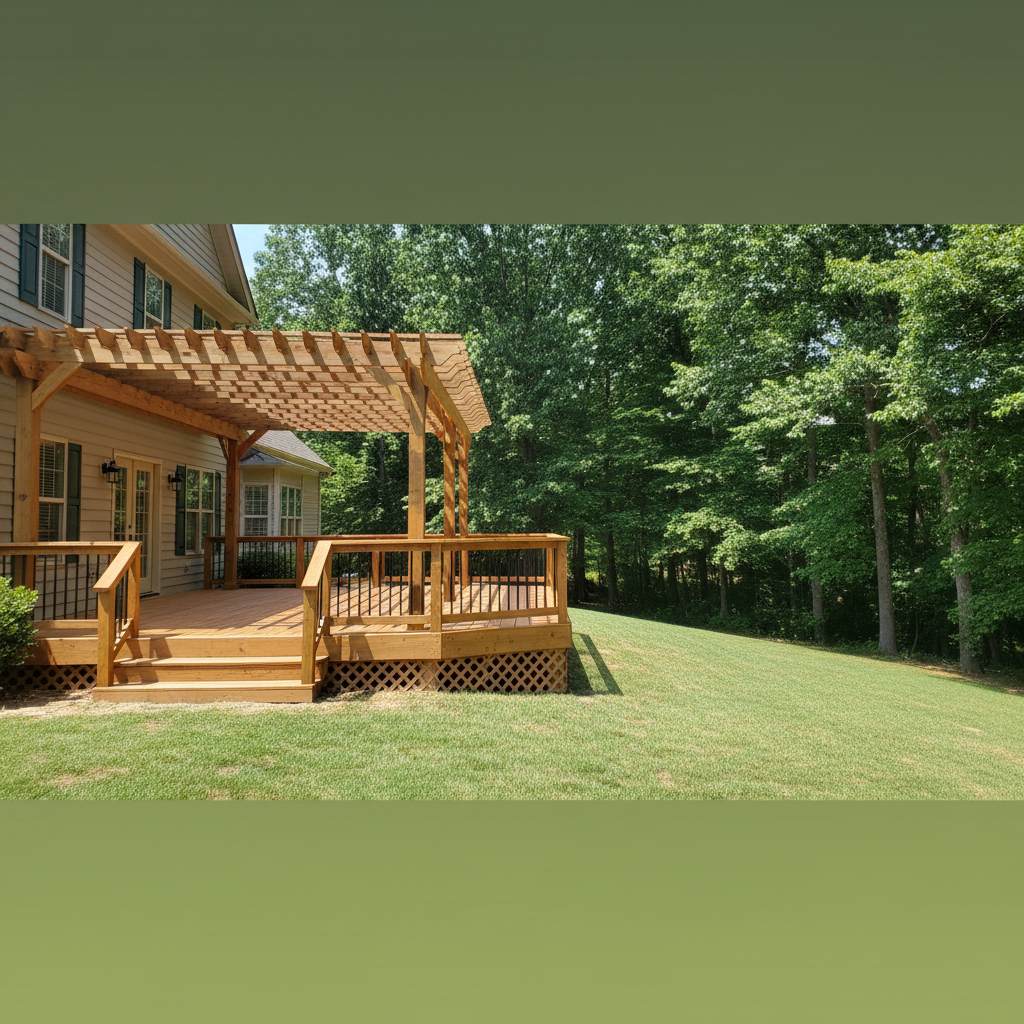
So, you're dreaming of a pergola, huh? That's a smart move. A well-built pergola doesn't just add shade; it transforms your outdoor space into something special, a real extension of your home. But before you get lost in visions of lounging under dappled sunlight, let's talk about the nitty-gritty of getting that project off the ground here in Ringgold. This isn't just about picking a design; it's about planning it right so you don't hit any snags.
Setting Your Project Timeline: What's Realistic?
Look, building anything worthwhile takes time. You can't just snap your fingers and have a pergola appear. From the moment you decide you want one to the day you're enjoying it, you're looking at a few distinct phases. Don't rush it.
- Initial Research & Design Ideas (2-4 weeks): This is your homework phase. What style do you like? How big should it be? Where will it go in your yard? Start looking at pictures, getting a feel for what's out there.
- Getting Quotes & Picking a Contractor (3-6 weeks): This is crucial. You'll want to talk to a few local builders, not just the first guy who answers the phone. Get detailed quotes, check references, and make sure they really understand your vision.
- Permits & Approvals (4-8 weeks, sometimes more): This is often the longest and most unpredictable part of the whole process. Depending on the size and location of your pergola, you might need a building permit from Catoosa County. They'll review your plans to make sure everything meets code. This isn't something you can skip, and it definitely adds time, so be prepared.
- Material Ordering & Delivery (2-4 weeks): Once the plans are approved and you've signed a contract, your builder will order materials. Lead times can vary, especially for custom components or specific wood types.
- Construction (1-3 weeks): This is where the magic happens. The actual build time depends on the size, complexity, and, of course, the weather. We've certainly seen our share of pop-up summer thunderstorms here in Ringgold that can push things back a day or two.
All told, from idea to reality, you're probably looking at a 3 to 5-month process. Planning ahead, especially if you want it ready for summer entertaining, is key.
What to Expect During the Process
Once you've picked a builder, like us at Sunrise Deck Solutions, and signed on the dotted line, here's what you can generally expect. Communication is everything, so make sure your contractor keeps you in the loop.
- Pre-Construction Meeting: Your builder should walk you through the final plans, confirm material choices, and discuss the construction schedule. This is your chance to ask any last-minute questions before work starts.
- Site Preparation: The crew will mark out the pergola's footprint, ensure the ground is level, and prepare for foundation work. This might involve some digging.
- Foundation Work: This is the backbone of your pergola. Posts will be set, usually in concrete footings, to ensure stability. This is especially important with our red clay soil around here; you want those footings deep and solid.
- Framing & Assembly: The main structure, beams, rafters, and purlins will be cut and assembled. You'll start to see your pergola take shape.
- Finishing Touches: This includes any decorative elements, staining or sealing if it's wood, and a final cleanup of the work area.
- Final Walkthrough: Before final payment, you and your contractor will walk through the finished pergola to ensure everything is built to your satisfaction and according to the agreed-upon plans.
How to Prepare Your Home & Yard
You've got a role to play too! A little preparation on your end can make the whole process smoother for everyone.
- Clear the Area: Move any outdoor furniture, potted plants, grills, or anything else that's in the way of the construction zone. The crew needs clear access to work safely and efficiently.
- Secure Pets & Kids: Construction sites aren't playgrounds. Keep pets indoors or in a secure, separate area, and make sure kids know to stay clear of the work zone.
- Access to Utilities: Your crew might need access to an outdoor water spigot or an electrical outlet. Make sure those are accessible.
- Discuss Access Routes: Talk to your builder about how they'll bring materials in and out. If they need to use a specific gate or path, make sure it's clear.
- Be Available for Questions: Sometimes, small decisions need to be made on the fly. Being reachable by phone or text can prevent delays.
Key Questions to Ask Before You Sign That Contract
This is where you protect yourself and ensure you're getting a quality job. Don't be shy; a good contractor expects these questions.